Health monitoring systems have evolved from standalone hospital-based diagnostic devices into intelligent, AI-driven, continuously connected healthcare ecosystems (Mukhopadhyay, 20221, Sazonov, 20202). The convergence of wearable biosensors, artificial intelligence (AI), cloud computing, Internet of Medical Things (IoMT), remote patient monitoring (RPM), digital therapeutics and emerging quantum technologies is reshaping global healthcare infrastructure (Bohr and Memarzadeh3, 2020, Topol, 20194). This comprehensive review analyzes the evolution of health monitoring systems, including cardiovascular monitoring, continuous glucose monitoring (CGM), smart rings, sleep analytics, behavioral health systems, AI-driven predictive healthcare, federated health data platforms and quantum-enhanced medical technologies. The review further evaluates patent trends, scientific research directions, conference developments, healthcare data architectures and market analytics through 2035. Recent patent activity indicates strong global competition in wearable biosensors, AI-assisted diagnostics, health data interoperability, cuffless blood pressure monitoring and privacy-preserving healthcare AI (Samsung Electronics Co., Ltd., 20265, Various Assignees, 2026a6). Market projections suggest double-digit compound annual growth rates (CAGR) across wearable medical devices, remote monitoring platforms and AI healthcare systems (Fortune Business Insights, 20257, Grand View Research, 2025a8). Finally, the paper discusses future healthcare paradigms including digital twins, autonomous AI-assisted medicine, quantum biosensing and predictive physiological ecosystems that may transform healthcare from reactive treatment toward continuous intelligent disease forecasting (Corral-Acero et al, 20209, Sharma, 202410).
Important sources of bioactive substances with potential medical applications are medicinal plants. Soursop (Annona muricata L.) has long been used to treat pain, fever, hypertension, and inflammation, but there is still little scientific evidence to support its stembark. Standard qualitative assays were used to screen the A. muricata stembark extract for phytochemicals. Ferric reducing antioxidant power (FRAP) and DPPH radical scavenging tests were used to measure antioxidant activity. Using the carrageenan-induced paw edema paradigm, anti-inflammatory efficacy was evaluated in Wistar rats at dosages of 100, 200 and 400mg/kg, with indomethacin (10mg/kg) serving as the reference medication. Alkaloids, flavonoids, tannins, saponins and phenolic substances were identified by phytochemical investigation. With a DPPH IC50 of 47.2µg/mL and a FRAP value of 312.5µmol Fe²? equivalents/g extract, the extract showed significant antioxidant activity. The extract dramatically and dose-dependently decreased paw edema in vivo. The 200mg/kg dose provided 58.6% inhibition at 4 hours, while the 400mg/kg dose produced 71.4% inhibition as opposed to 85.2% for indomethacin. The stembark of Annona muricata has powerful antioxidant capacity, anti-inflammatory properties and rich compounds. These results demonstrate its potential as a natural substitute for synthetic antioxidants and anti-inflammatory medications and validate its historic use.
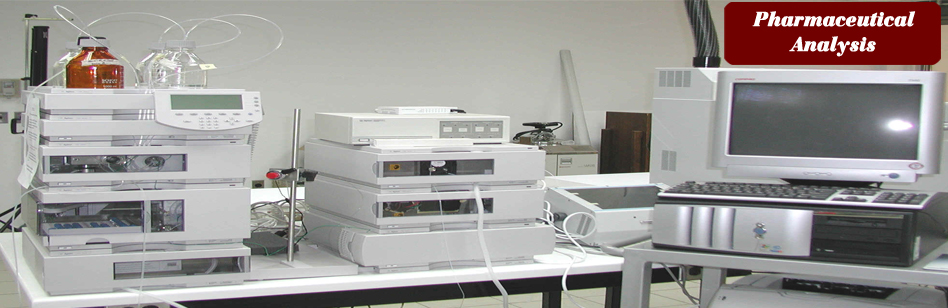
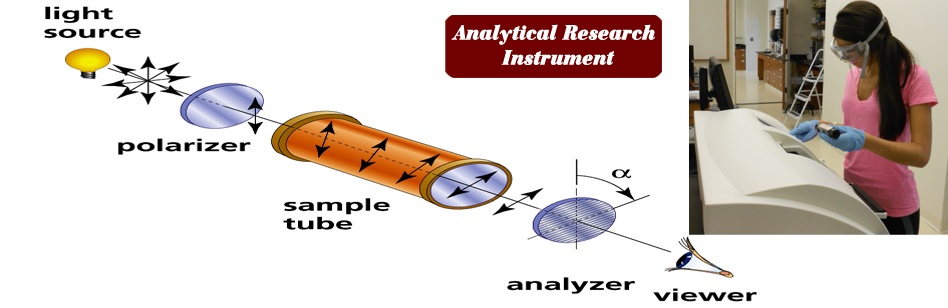
Analytical method development is a fundamental component of pharmaceutical research, supporting drug discovery, formulation development, quality control, stability assessment and regulatory compliance. The rapid emergence of complex drug molecules, biologics, Nano medicines and combination therapies has increased the demand for analytical techniques that are highly sensitive, selective, rapid, robust and environmentally sustainable. This review critically examines recent advances in pharmaceutical analytical method development, with emphasis on conventional and emerging technologies employed for qualitative and quantitative analysis of Vortioxetine in bulk and tablet dosage form. Major analytical platforms, including ultraviolet-visible (UV-Vis) spectroscopy, Fourier-transform infrared (FTIR) spectroscopy are comprehensively discussed with respect to their principles, applications, strengths and limitations.In addition, recent progress in green analytical chemistry, miniaturized analytical systems, and regulatory expectations for method validation according to the International Council for Harmonisation of Technical Requirements for Pharmaceuticals for Human Use guidelines is critically evaluated. The integration of advanced analytical technologies with data-driven approaches is transforming pharmaceutical analysis by enabling faster, more accurate, cost-effective and environmentally responsible methodologies.
K. Nandankumar*, S. Sumanth, Y. S. Sonalika, Y. Vinutha.